The Little Vampire 2017: Exclusive
E-mail Validation Software
Save time and money maintaining clean mailing lists and checking the validity of recipient's e-mails addresses...
Save time and money maintaining clean mailing lists and checking the validity of recipient's e-mails addresses...
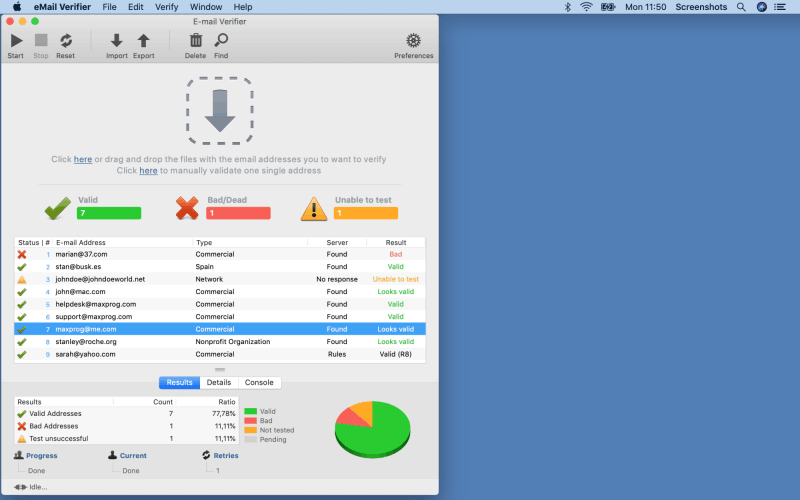
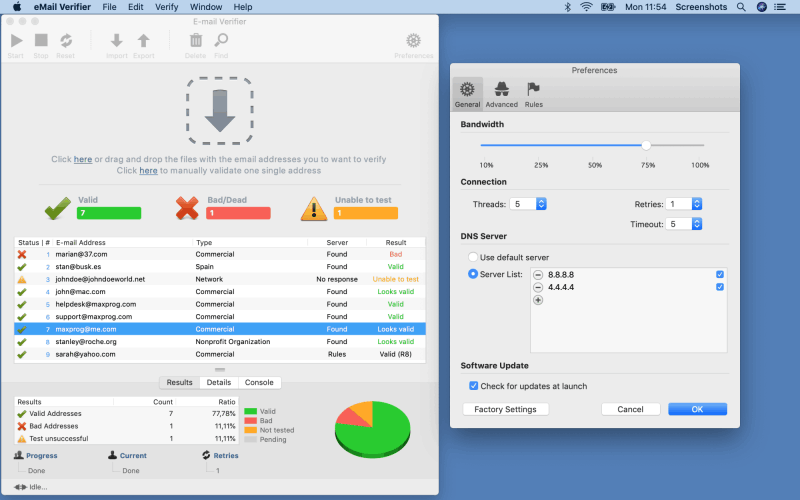
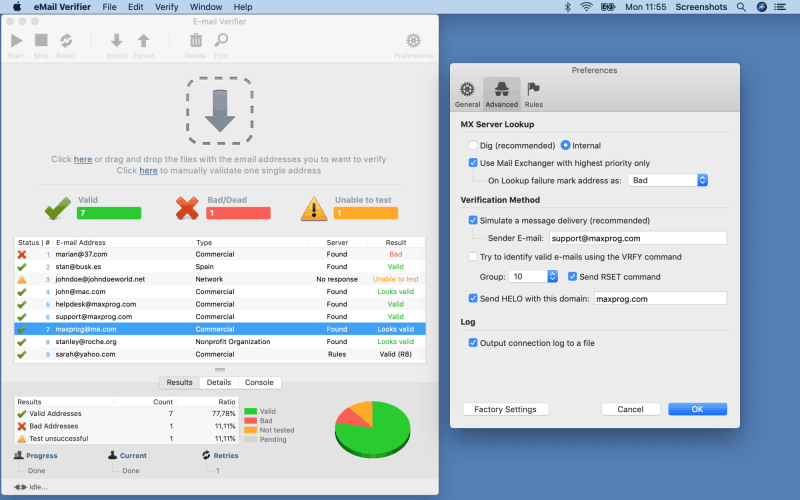
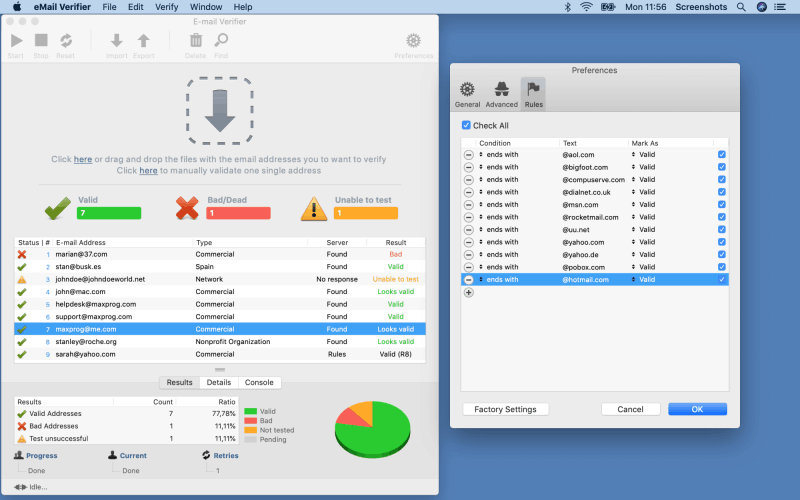
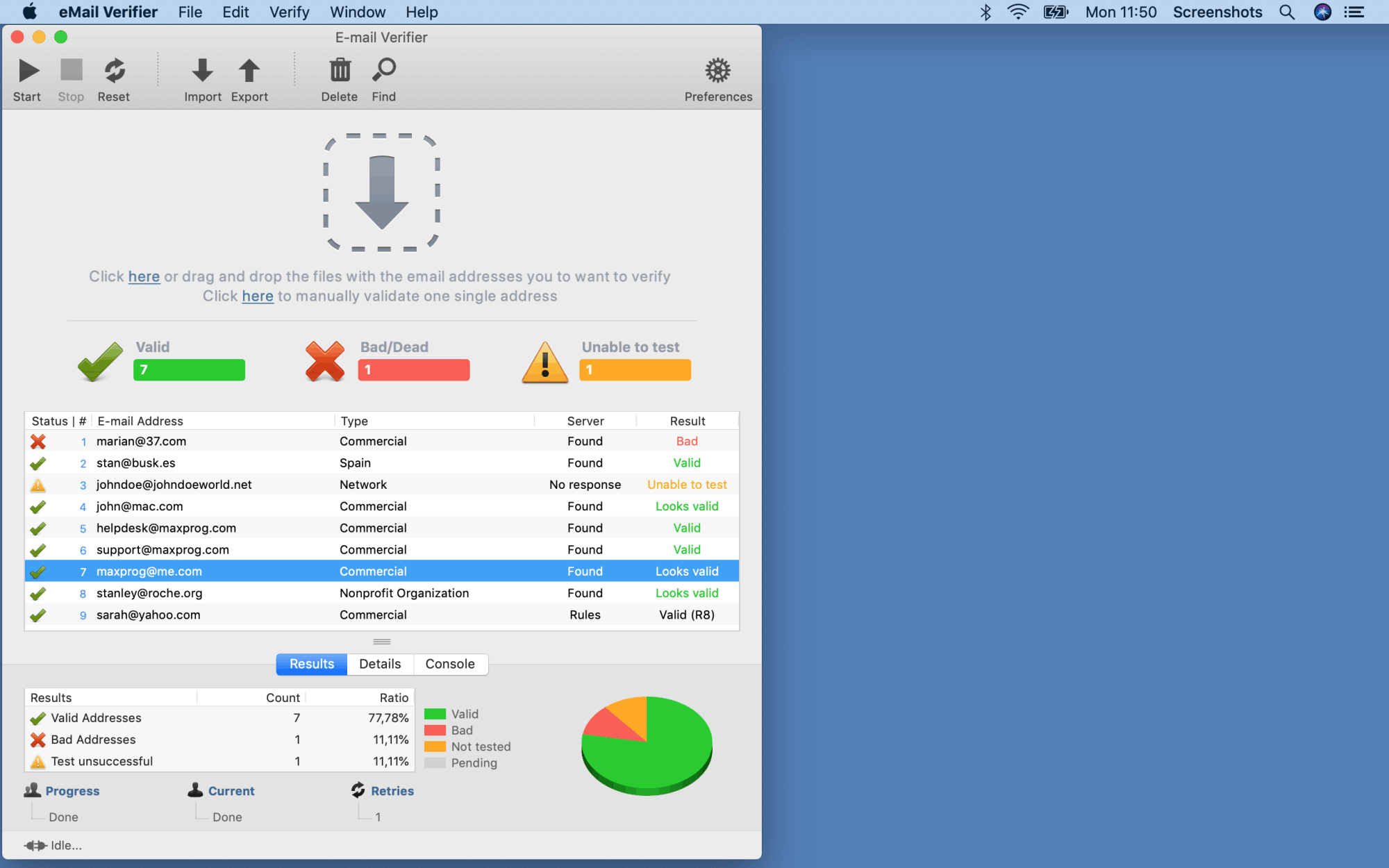
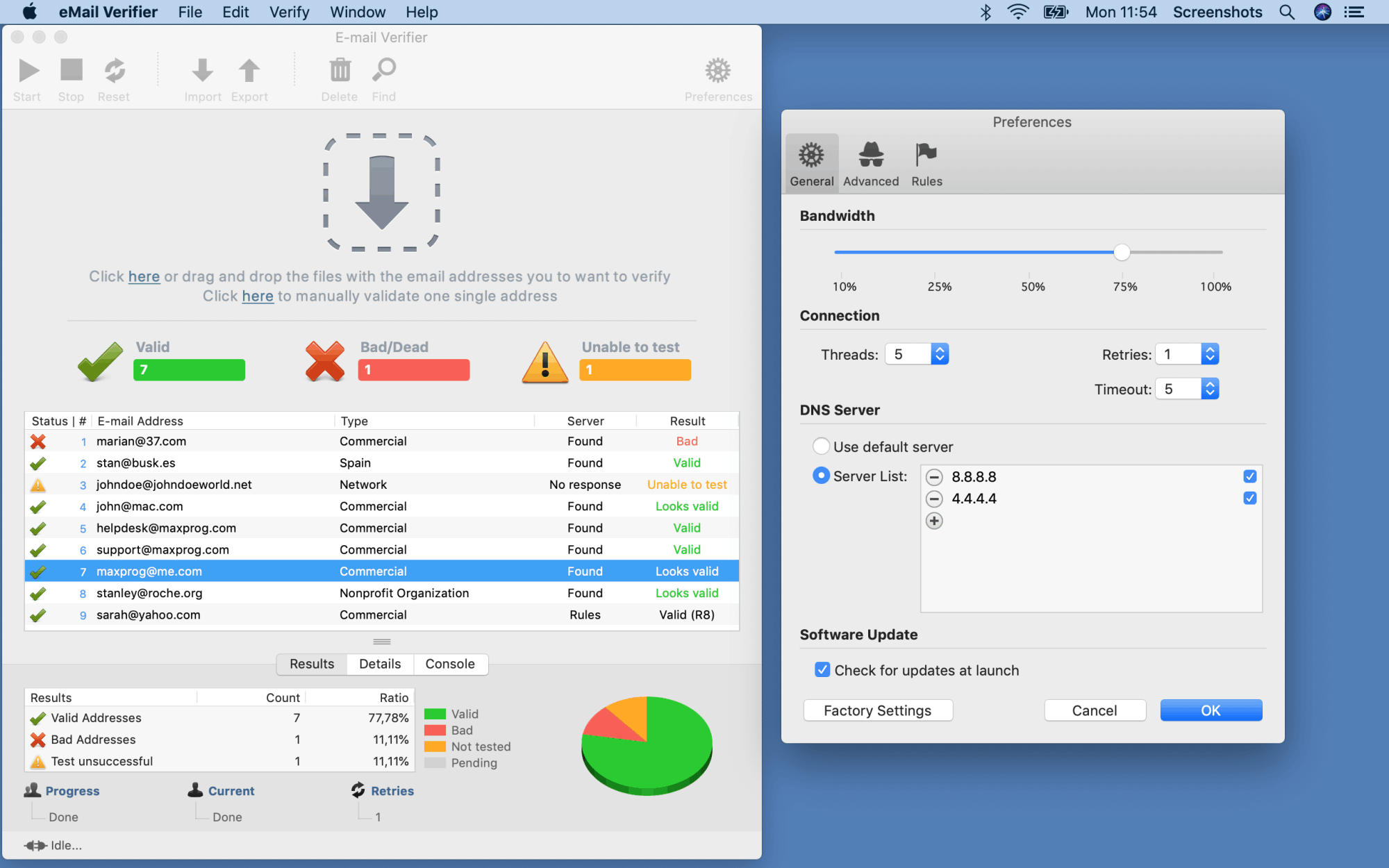
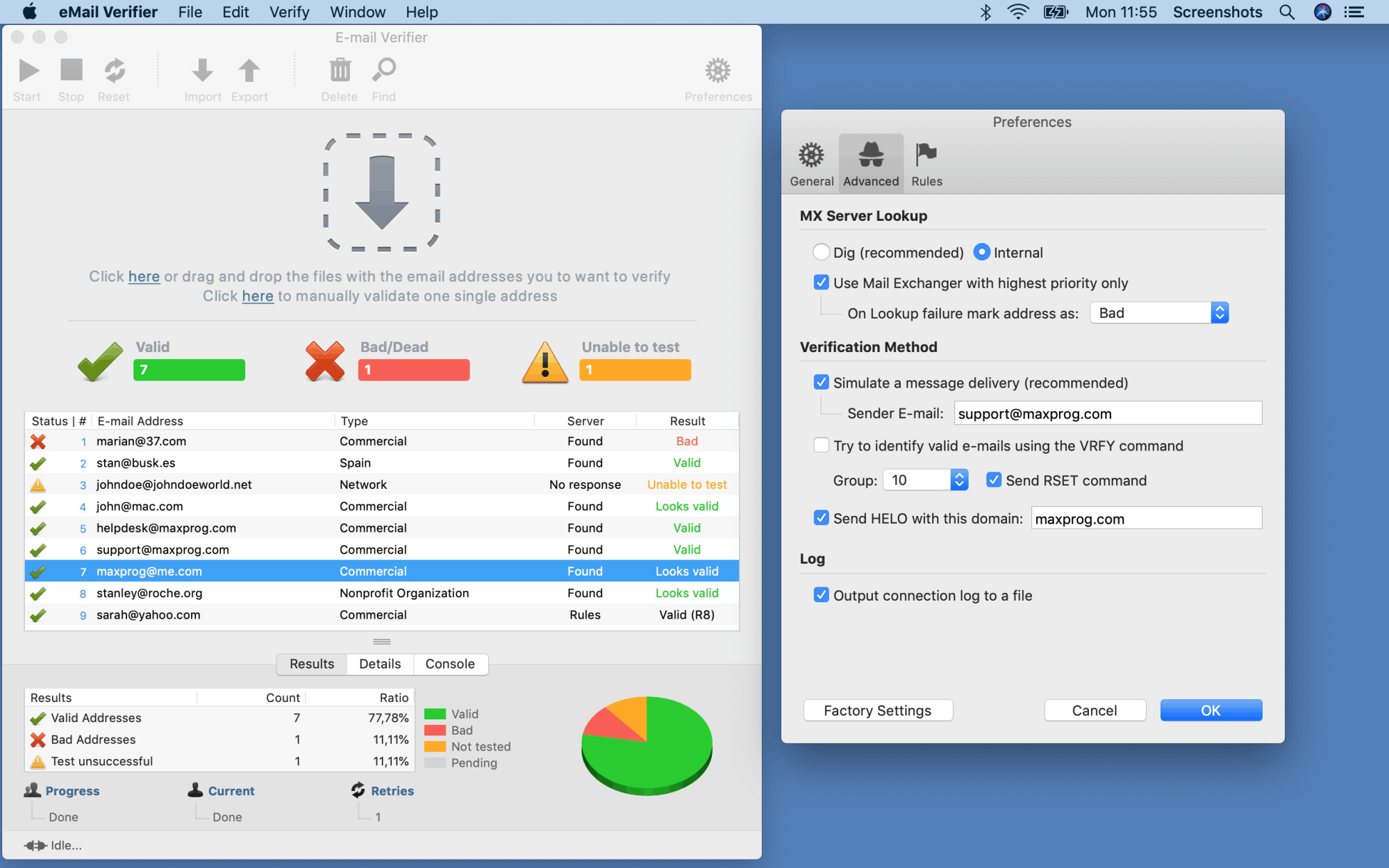
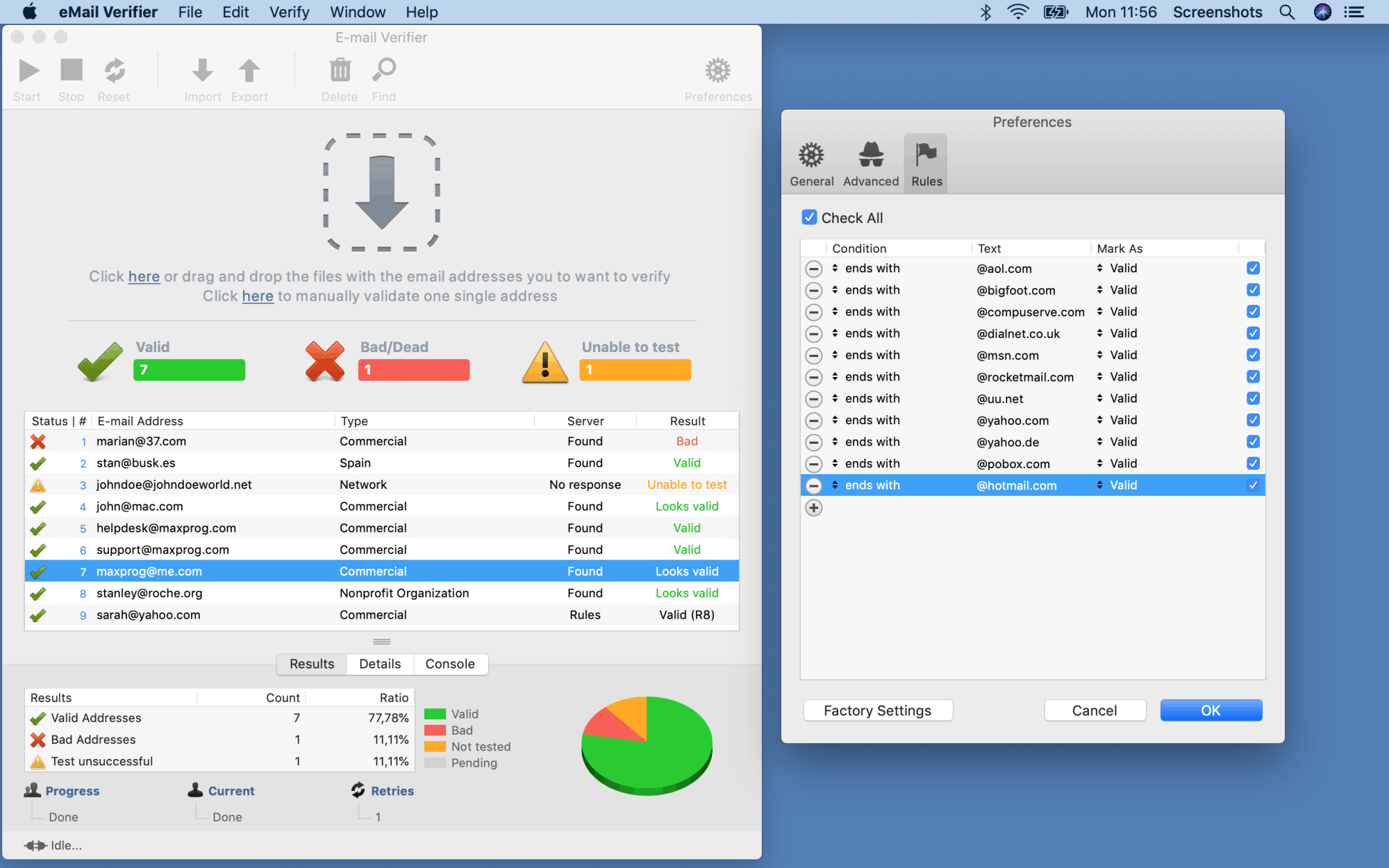
eMail Verifier can save time and money for businesses who send newsletters to their clients, nonprofit organizations who send bulletins to their members, or any person or business that needs to maintain a clean e-mail contact list.
eMail Verifier has proven helpful to us. We have more than 7,400 e-mail addresses for our members, and they don't always tell us when they change addresses. eMail Verifier also catches obvious typos, and it does it a lot faster than I can scan a list of e-mail addresses. eMail Verifier may not be for everyone, but it works for us, and really cuts down on the number of bounced messages when we send out notifications to our members. – Greg Raven
“The Little Vampire” (2017) reimagines the classic children’s tale with a glossy, modern sheen that both honors and lightly subverts its source material. At its heart, the film is a negotiation between innocence and the grotesque, childhood wonder and the slow creep of adult anxieties. Though marketed as family entertainment, it offers an instructive mirror to contemporary anxieties about identity, otherness, and the cinematic habit of sanitizing monsters for mass consumption. Childhood, Friendship, and the Outsider Narrative Central to the film is the friendship between a human child and a vampire child — a timeless trope that functions as an allegory for cross-cultural bonds and the possibilities that arise when difference is humanized. The child protagonist’s curiosity and empathy enable a bridge across a seemingly insurmountable divide. This dynamic preserves the older story’s moral core: friendship conquers fear. Yet the 2017 version reframes the outsider not as a mere villain but as a complex being with needs, social structures, and vulnerabilities, reflecting more inclusive storytelling trends in modern family media. Tonal Choices: Balancing Whimsy and Menace One of the film’s most interesting features is how it calibrates tone. Visual design and a playful score lean toward whimsy — bright colors, quirky side characters, and slapstick sequences keep the mood accessible for children. At the same time, the narrative never fully dispels the presence of true menace: the vampire world retains its rules and consequences, and scenes that touch on mortality or loneliness are treated with surprising gravity. This tension creates a story that can be enjoyed on two levels: as lighthearted adventure and as a gentle introduction to existential themes for younger viewers. Redefining the Monster The 2017 adaptation participates in a broader cultural redefinition of monsters. Where older horror depicted vampires as pure predators, contemporary family films often recast them as sympathetic outsiders whose “monstrous” traits stand in for identity markers. The film therefore encourages viewers to interrogate what makes someone frightening: is it their appearance, their habits, or our refusal to understand them? By inviting empathy, the story subtly critiques preconceptions and suggests that fear often masks deeper loneliness. Visual Style and Production Notes Visually, the film blends practical effects with CGI in a way that aims to keep the uncanny at arm’s length — close enough to be intriguing, distant enough to be safe for children. Costume and set design use exaggerated, fairy-tale motifs, creating a stylized world that signals “not quite real” and thus allows for moral and emotional lessons to land without overwhelming younger viewers. The production choices emphasize warmth and accessibility over gritty realism, reinforcing the film’s pedagogical aims. Themes of Identity and Belonging Beyond surface thrills, the film probes the search for belonging. Both protagonists face forms of exile: one from a human peer culture, the other from a monster world that polices difference. Their alliance becomes a mutual act of self-definition. In doing so, the film validates atypical identities and models a mode of belonging based on chosen affinity rather than enforced conformity. Limitations and Critique While the film’s empathetic reframing is largely successful, it risks diluting the darker edges that make vampire lore compelling. By smoothing moral complexity for family-friendly consumption, the story at times flirts with cliché: misunderstandings are resolved conspicuously, antagonists are softened, and the stakes are frequently reset so the narrative remains palatable. For adult viewers seeking a deeper interrogation of vampirism’s symbolic potency — desire, transgression, eternal otherness — the film can feel conservative. Cultural Resonance and Legacy As part of a late-2010s trend, the movie contributes to an expanding corpus of children’s media that recasts monsters as figures of empathy. Its legacy is not in radical reinvention but in reiteration: normalizing difference, promoting cross-boundary friendship, and training a new generation to see the person beneath the mask. For parents and critics, it’s an artifact of how family cinema engages moral education through genre tropes. Conclusion The 2017 “The Little Vampire” offers a neat case study in how contemporary family films manage tension between wonder and safety. It translates the older tale’s eerie charm into a palatable, empathetic narrative that encourages connection across difference. Though it sidesteps some of the darker philosophical impulses of vampire mythology, its generosity — to children, to outsiders, and to the idea that monsters can be loved — makes it a culturally instructive and emotionally resonant piece of family storytelling.
You have read over and over that it is less expensive to get an existing customer to make a purchase than to get a new customer to make a purchase. The most recent figures suggest that it is six times as expensive to acquire a new customer than it is to retain a customer. You have also read that the least expensive way to market to existing customers is via targeted e-mail.
Email Marketing is spreading around the whole world because of its high effectiveness, speed and low cost. If you want to introduce and sell your product or service, the best way is to use e-mail to contact your targeted customer. Targeted e-mail is no doubt very effective. If you can introduce your product or service through email directly to the customers who are interested in them, this will bring your business a better chance of success.
Thanks to its advanced mail-merge and conditional functions you can send highly customized messages and get the best results of your campaigns. You also have support for international characters, a straightforward account manager with support for all type of authentication schemes including SSL, support for importation from a wide range of sources including from remote mySQL and postgreSQL databases.
MaxBulk Mailer is not an email program like Mail, Entourage, or Outlook. But rather it allows you to use email distribution lists from these email programs or other databases to send individually customized messages to each address on the distribution list. With MaxBulk Mailer you can create, manage and send personalized marketing messages to customers or potential customers.
You can do e-mail promotions without doing a newsletter. However, if you want to grab and hold the attention of busy customers or members, then you have to provide them with more than just the information about the products or services. You have to give them a reason to care about the product.

MaxBulk Mailer is a bulk mailer and e-mailmerge tool for macOS and Windows that allows you to send out customized press releases, price lists or any kind of text or HTML messages to your customers.
eMail extractor is a tool for extracting e-mail addresses from all kind of sources like your local files, web pages or the clipboard in order to create highly targeted and legitimate bulk e-mail lists.

eMail Bounce Handler is a bounce e-mail filtering and handling tool that recognizes bounce emails, electronic mail that is returned to the sender because it cannot be delivered for some reason.

Maxprog, LLC
7901 4th St N STE 8230
St. Petersburg, Florida 33702